Summary
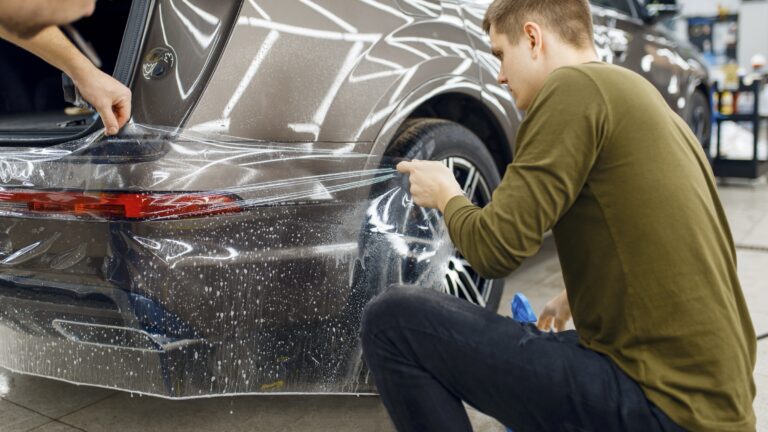
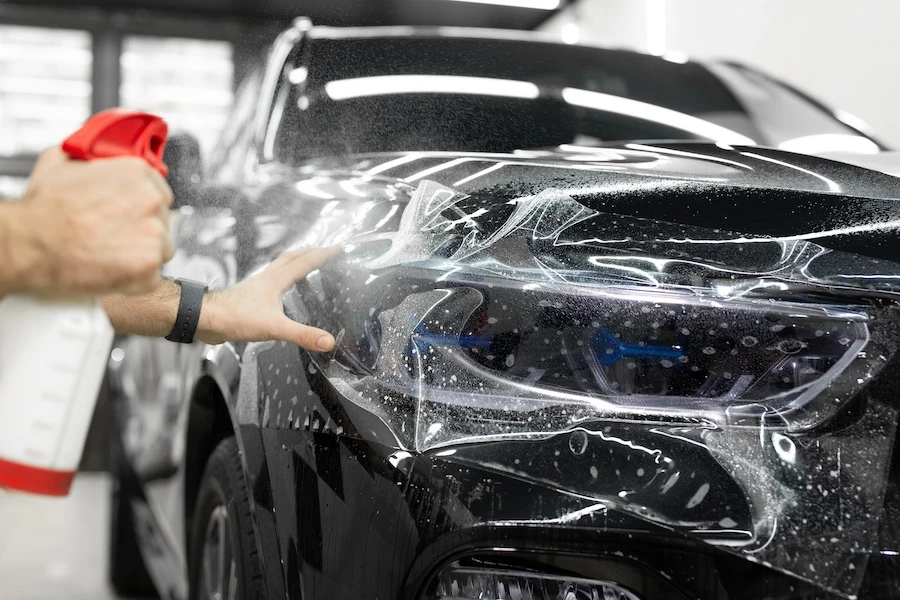
How should you wash your car after installing PPF? Your vehicle has just received a protective film, and you want to preserve both its appearance and protective function for as long as possible. Maintaining a paint protection film requires specific actions and suitable products. This complete guide explains how to properly care for PPF, from the first wash to seasonal inspections, to ensure optimal protection for your bodywork.
Key takeaways:
- Wait 7 to 10 days after installation before any wash to ensure full adhesion of the PPF film.
- Use only pH-neutral shampoos and strictly avoid products containing ammonia or solvents.
- Favor hand washing or touchless washing, with a maximum pressure of 1200 PSI.
- Inspect your film regularly and schedule an annual professional inspection to extend its lifespan.
When and how to clean a PPF protective film
- Wait at least 7 days before the first wash
- Clean your car one to four times per year to prevent changes in color, visual appearance, and brightness
Waiting period after installation
After your protective film is installed, patience is essential. PPF goes through a curing phase during which the adhesives create a durable bond with the paint. This critical period generally lasts between 7 and 10 days, depending on weather conditions and the type of product used.
Avoiding premature washing ensures full film adhesion. Washing too early may cause partial delamination or create water infiltration beneath the protective film. Professional installers at Irenode recommend waiting for their approval before the first car wash.
Recommended cleaning frequency
Maintenance frequency largely depends on your daily use. A vehicle driven mainly in a clean urban environment will require at least one cleaning per year, while intensive use on exposed roads calls for quarterly or more frequent attention.
Road conditions directly influence this frequency. Dust, pollution, road salt, crushed insects, and bird droppings contain acidic substances that can damage the film if left in place too long. A quick rinse after significant exposure to these contaminants greatly extends the lifespan of PPF.
Soaps and cleaners compatible with PPF films
The choice of cleaning products determines the longevity of your investment. Use only pH-neutral automotive shampoos specifically formulated for delicate surfaces. These products clean effectively without compromising the properties of the protective film.
Cleaners free from aggressive solvents preserve the PPF’s top protective layer, which provides its scratch-resistant and self-cleaning properties. Products available at Irenode meet these criteria and are tested for compatibility with paint protection films.
Safe washing method
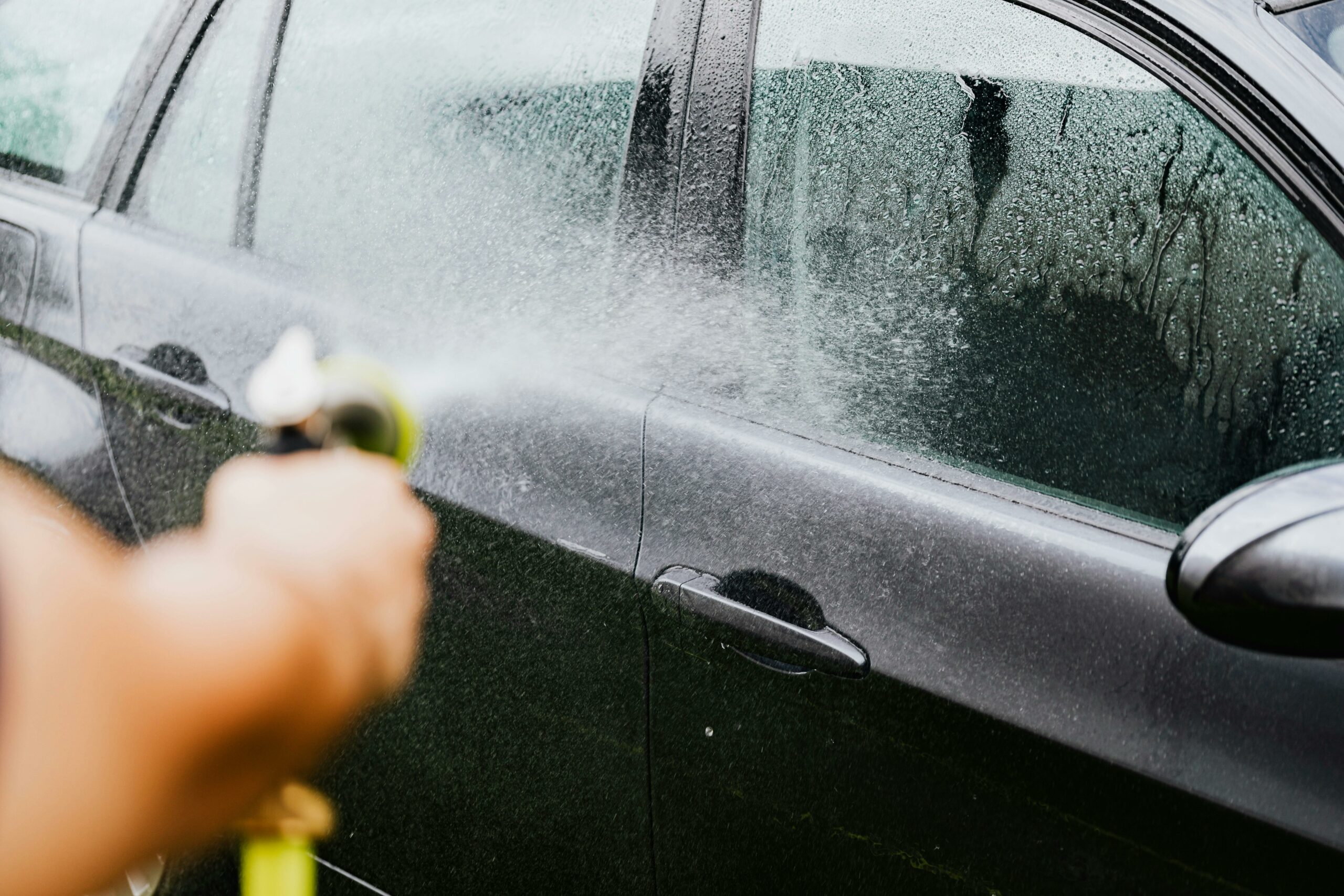
Hand washing remains the preferred method:
• Rinse the vehicle thoroughly with lukewarm water to remove loose particles
• Use a soft microfiber wash mitt soaked in pH-neutral shampoo
• Work in sections, from top to bottom
• Rinse each section before the soap dries
Regarding maximum acceptable pressure, limit it to 1200 PSI and keep a distance of at least 30 cm between the nozzle and the surface. A 45-degree angle helps prevent lifting the edges of the film.
For drying, choose high-quality microfiber towels or an air blower. Dab rather than rub to avoid unnecessary friction.
Chemical cleaners to avoid
Certain products cause irreversible damage to protective films. Ammonia-based products, commonly found in household glass cleaners, attack the molecular structure of PPF and cause premature yellowing.
Solvents, strong degreasers, and industrial cleaners literally dissolve the film’s protective layers. Even when diluted, these products penetrate the surface and compromise the structural integrity of the protective film.
Common mistakes that damage PPF
Several well-intentioned practices do more harm than good. Rigid brushes, even those used in some automatic car washes, create micro-scratches that trap dirt and dull the film’s appearance.
Abrasive automatic washes with rotating brushes are the main enemy of PPF. Only touchless cleaning or hand washing should be used.
Scraping ice in winter or using tools to remove dried contaminants lifts the film edges and creates entry points for moisture.
How to inspect the condition of your PPF protective film
Regular PPF inspection helps identify issues before they worsen. Examine your vehicle monthly under good lighting, paying close attention to high-impact areas such as the hood, front bumper, and mirrors.
Signs of damage or premature wear
Lifting appears as raised edges or areas where the film separates from the paint. This issue requires prompt attention to prevent contaminant infiltration.
Persistent bubbles, unlike temporary ones that disappear during curing, indicate an adhesion problem or water infiltration.
Yellowing or loss of clarity usually results from prolonged UV exposure without proper maintenance or from using incompatible products.
Seasonal maintenance: Recommendations after winter
Washing your PPF-protected vehicle after winter becomes critical with the arrival of spring. Salt and road abrasives accumulate and form a corrosive layer that attacks the film. Perform a thorough cleaning as soon as temperatures allow.
Spring inspection should include a careful examination of areas exposed to road salt. Rocker panels, wheel arches, and bumpers require special attention.
Protection and maintenance during summer
Summer heat intensifies the adhesion of contaminants such as tree sap and tar residues. Remove these substances promptly using PPF-compatible specialty products. Park in the shade whenever possible to reduce prolonged UV exposure.
When to schedule a professional PPF inspection
An annual visit to a specialist like Irenode at our dedicated workshop allows for a full evaluation of your protective film’s condition. These experts detect issues invisible to the untrained eye and can perform minor touch-ups before they become major problems.
Also plan an inspection after any road incident, prolonged exposure to extreme conditions, or if you notice changes in the film’s appearance.
PPF maintenance FAQ
Can you wax a vehicle with PPF installed?
Yes, but use only waxes without petroleum solvents, ideally synthetic sealants or spray waxes formulated for protective films. Traditional carnauba-based waxes are also suitable.
Is pressure washing safe for PPF?
With precautions: maximum 1200 PSI, minimum distance of 30 cm, a 45-degree angle, and avoid the film edges. Touchless cleaning remains the safest option.
How do you remove insects without damaging the film?
Apply a dedicated bug remover, let it sit for 2 to 3 minutes, then gently wipe with a microfiber towel. Never scrape when dry.
What is the average lifespan of a well-maintained PPF film?
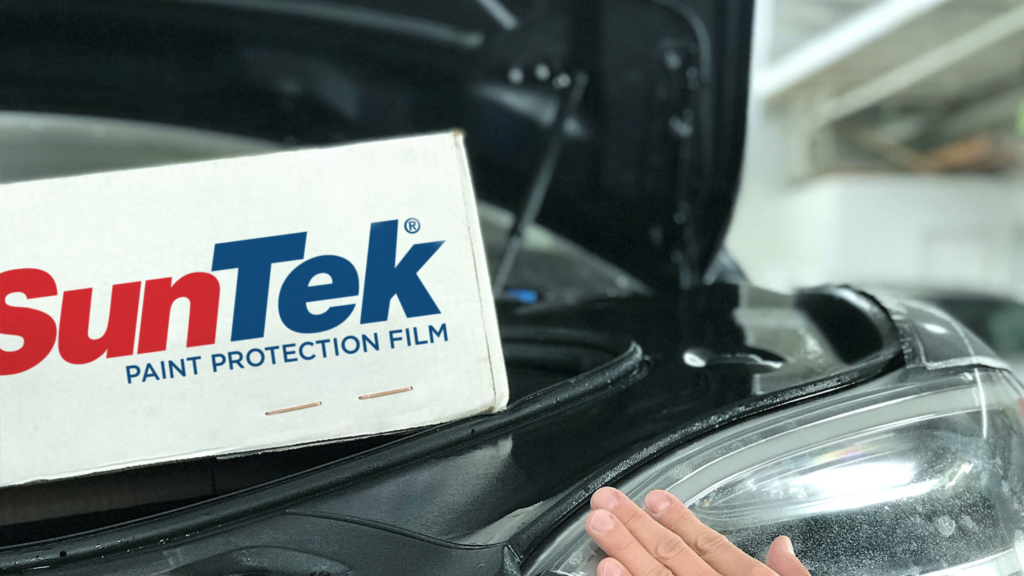
A professional PPF installation provides effective protection for 7 to 10 years. This exceptional durability, combined with a manufacturer warranty, as is the case with Suntek PPF films, makes it a cost-effective long-term investment for preserving vehicle value.
Conclusion: Maximizing the lifespan of your PPF protective film
Maintaining a paint protection film relies on simple but consistent habits. Use only compatible products, favor hand washing with pH-neutral shampoo, inspect your vehicle regularly, and schedule annual professional checkups.
The importance of preventive maintenance cannot be overstated. A few minutes spent on proper cleaning are far better than hours of repair or premature replacement. Adopt a monitoring mindset rather than a repair mindset: your protective film will retain its crystal-clear appearance and continue to effectively protect your automotive investment for many years to come.